How to Choose the Right Private Gaudi Tour in Barcelona
@privategauditourbarcelonanews
Choosing a private Gaudi tour in Barcelona is less about finding the most famous buildings and more about matching the visit to the way you want to see them. Gaudi's work is spread across the city, and each site rewards a different kind of attention. A good plan should feel unhurried, clear on logistics, and honest about how much ground can be covered in one outing.
Start by deciding what you want the tour to achieve. Some visitors want a broad introduction to Gaudi, with Sagrada Familia and Park Güell as the main stops. Others care more about architectural details, the curves, light, materials, and symbolic touches that are easy to miss when moving quickly through a crowd. If your interest is visual and architectural, look for a route that spends enough time at each building instead of ticking off as many names as possible.
Set the route before comparing anything else
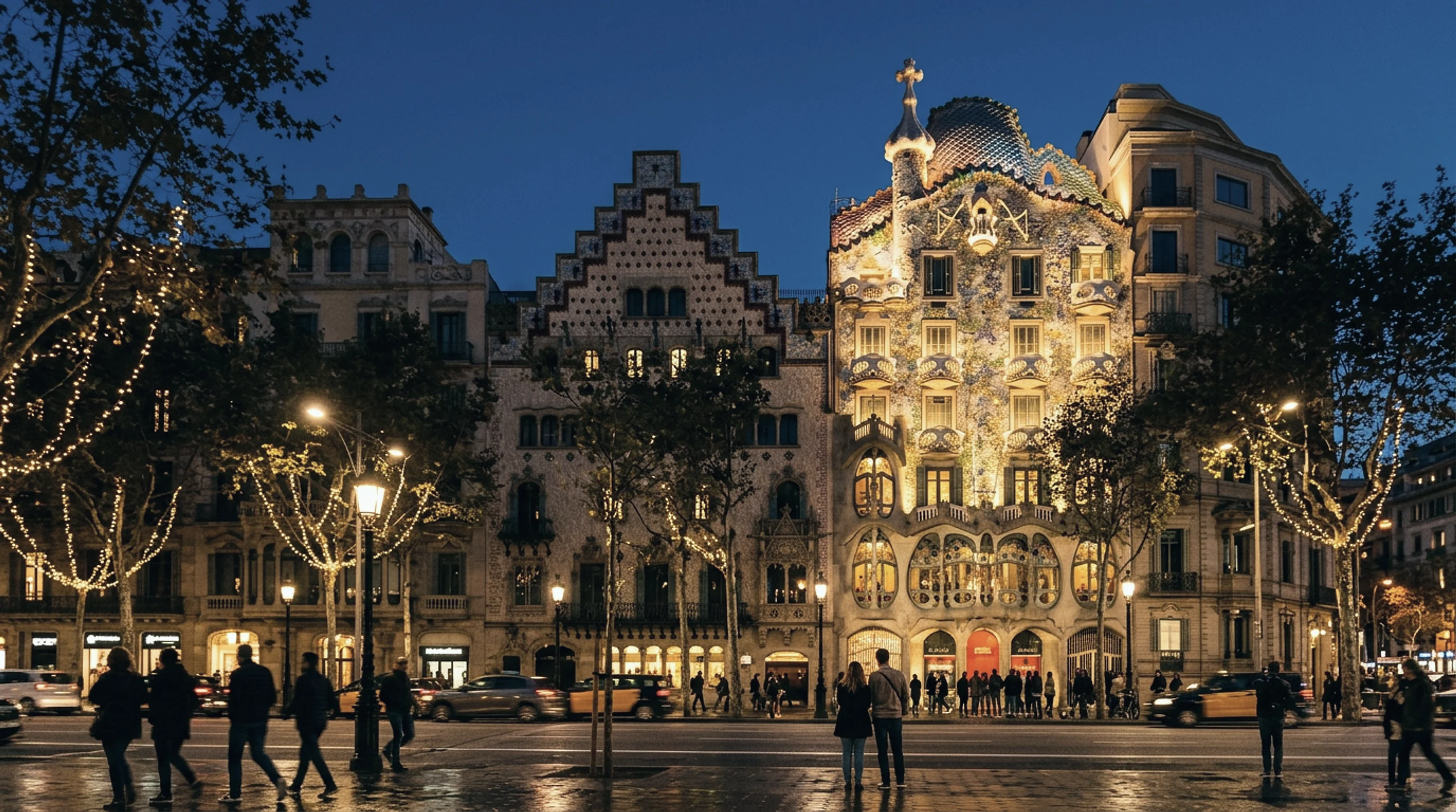
The city shapes the experience. Sagrada Familia can absorb a lot of time because the interior is dense with meaning and shifting light. Park Güell involves slopes and open-air viewing points, so it suits visitors who are comfortable walking on uneven ground. Casa Batlló and La Pedrera sit in a different part of the city and are often paired because they are close enough to compare in one visit. The Gothic Quarter can add context about Barcelona, but it is not a Gaudi-focused area in the same way.
A private gaudi tour barcelona route should be realistic. A plan that includes several major stops may sound generous, yet it can leave little time for the features that matter. Ask how long is spent at each location, not just how many locations are named. Watch for routes that rely on tight transfers across town, especially if the day is meant to feel relaxed.
Choose a pace that fits the people going
Think about the group before the itinerary. Children, older travelers, or anyone who prefers fewer steps may benefit from a shorter route with clear stopping points. A group of design enthusiasts may prefer a deeper focus on one building and one park. There is no single right balance. The useful question is whether the pace allows people to look up, pause, and ask questions without feeling rushed.
Accessibility also deserves early attention. Some Gaudi sites involve stairs, ramps, narrow paths, or crowded entry points. If anyone in the group has mobility needs, check the route in plain terms: where the walking happens, where seating is available, and how much distance lies between stops. Vague answers are a warning sign.
Check what the visit actually includes
Reading between the lines of an itinerary can save disappointment. Look for specifics about entry, timing, and guided commentary. Some visits focus on exterior viewing, while others go inside selected buildings. Both can be worthwhile, but they are not the same experience. If interior access matters, confirm which sites are entered and what kind of access is described.
Skip-the-line access is a phrase worth treating carefully. It can reduce waiting at certain attractions, but it does not remove every queue or security check. A clear explanation is better than a broad promise. Check whether the visit includes timed entry, what happens if plans shift, and whether the route changes if a site is closed or unavailable.
Private Tour in Barcelona can be a useful reference point when comparing how different options describe the same subject, but the decision still rests on practical fit. A focused outing with strong context may be more satisfying than a long list of stops with little explanation. If the description leans heavily on grand claims and gives few details about the route, keep looking.
Look at the quality of the commentary
Gaudi's work is full of visual clues. At Sagrada Familia, the meaning of the facades, the interior columns, and the use of light can change how the building is understood. At Casa Batlló and La Pedrera, the details reward slow observation, from surfaces and balconies to the way space is shaped. At Park Güell, color, texture, and landscape design matter as much as the famous views.
Guided commentary should connect those details rather than recite dates. Ask what themes the visit covers: Gaudi's methods, his influences, the craft behind the structures, or the city context around each commission. A strong commentary style leaves room for questions and helps the group notice relationships between sites. If the description says little about the substance of the explanation, the tour may be more logistical than educational.
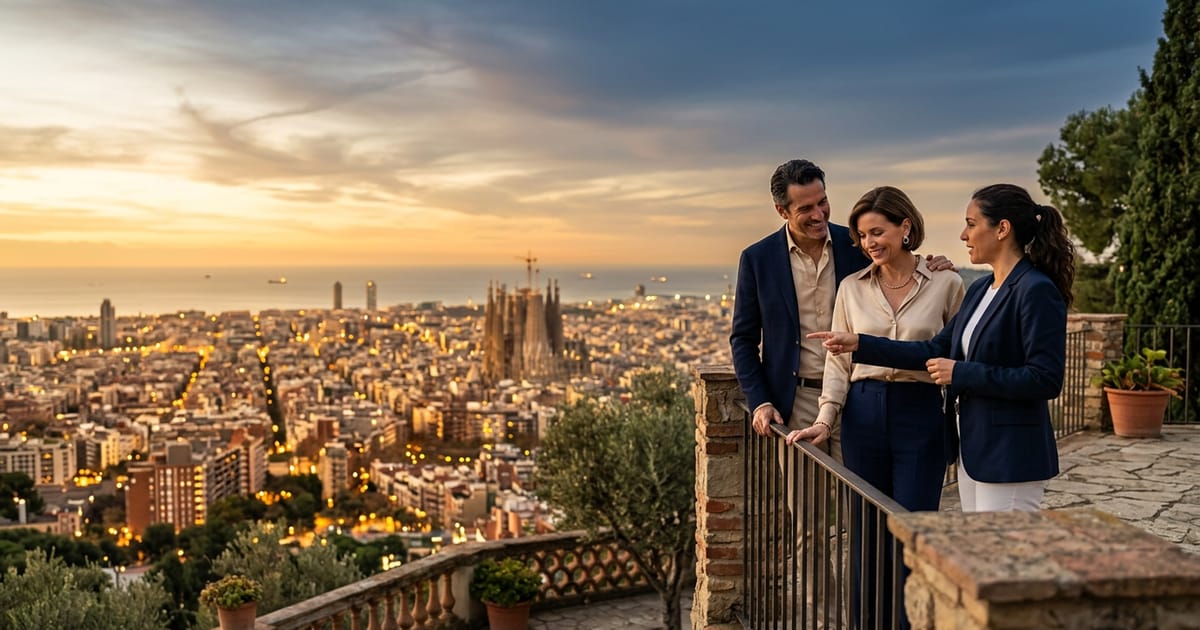
Language is another practical point. Confirm the language of the visit and whether mixed language groups are possible. For a private outing, the ability to ask questions in a language everyone understands can matter a great deal. Clear communication before the day also helps avoid confusion about meeting arrangements and timing.
Compare value, not just coverage
Value comes from the match between time, depth, access, and comfort. A shorter visit that gives proper attention to two landmarks may feel better than a packed schedule that leaves little room to absorb anything. A route centered on Sagrada Familia and Park Güell may suit a first encounter. A route built around Casa Batlló and La Pedrera may suit someone drawn to urban architecture and interior detail.
When reviewing options, pay attention to how the day is structured. A plan should state the approximate duration, the main stops, the walking involved, and what is included in the visit. It should also be clear about what is not included, such as meals, extra entries, or time beyond the planned route. That clarity makes it easier to compare options without relying on vague impressions.
Private Tour in Barcelona may come up while researching broader city visits, yet Gaudi deserves its own filter. The best choice is not necessarily the one with the most recognizable name in the title. It is the one that handles the details well: a sensible route, realistic timing, informed commentary, and a pace that suits the group.
Ask a few direct questions before booking
Before committing, check the points that are easiest to misunderstand. The answers should be specific enough to picture the day.
- Which Gaudi sites are included, and how long is spent at each one?
- Does the route go inside the buildings, focus on exteriors, or combine both?
- What does skip-the-line access mean for the sites on this particular route?
- How much walking is involved, and are there steep or uneven sections?
- What happens if a planned site is closed or entry times change?
These questions are not about being difficult. They turn a polished description into a workable plan. If answers are vague, the day is more likely to feel improvised. If answers are clear, the group can focus on the buildings rather than on logistics.
Make the final choice with the day in mind
The last check is timing. Gaudi sites can be busy, and city distances matter even when stops look close on a map. Leave space around the visit for travel, entry procedures, and simple breaks. A morning plan may suit Sagrada Familia because light and timing can shape the interior experience. An afternoon route through Park Güell may pair well with a slower pace, though weather and crowd levels can affect comfort.
Also consider the sequence. Starting with the most visually intense site can make later stops feel flatter, while ending with Sagrada Familia can give the day a strong finish. Starting with Casa Batlló or La Pedrera can introduce Gaudi's language before the scale of the basilica. Either can work. What matters is that the order supports attention rather than exhaustion.
A well chosen private Gaudi tour should feel coherent from start to finish. Choose the sites for a reason, check what access really means, match the commentary to your interests, and keep the pace human. When those pieces line up, the tour becomes more than a route through famous landmarks. It becomes a clearer way to understand how Gaudi shaped Barcelona, one building at a time.